


An analysis regarding the article: Insight into the Optimal Timing of Percutaneous Coronary Intervention and Transcatheter Aortic Valve Replacement
Source : https://www.sciencedirect.com/science/article/abs/pii/S0146280623005248?via=ihub
Transcatheter aortic valve replacement (TAVR) is an emerging minimally invasive treatment modality that has been shown to reduce mortality significant...
The risk factors associated after TAVR include larger annulus size (based on MSCT), pre-TAVI transvalvular Vmax, aortic valve calcification; aortic valve calcification was found to be an independent predictor of PVL.
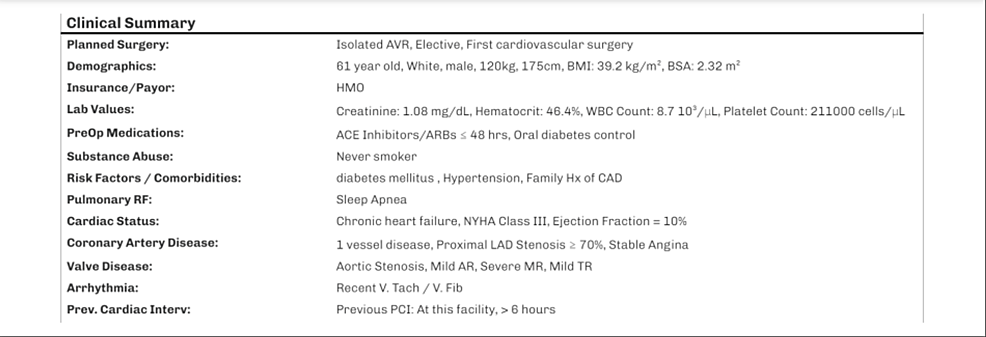
A Case of Cardiac Arrest Due to Transcatheter Aortic Valve Infolding
Prosthetic valvular infolding during transcatheter aortic valve implantation (TAVI) is an under-recognized yet significant complication that can occur. Here, we describe the case of a 61-year-old male with a history...
Our case and review highlight methods, both angiographic and echocardiographic, to recognize prosthetic valvular infolding the moment it presents, as well as strategies to correct the infolding with minimal detriment to the patient.
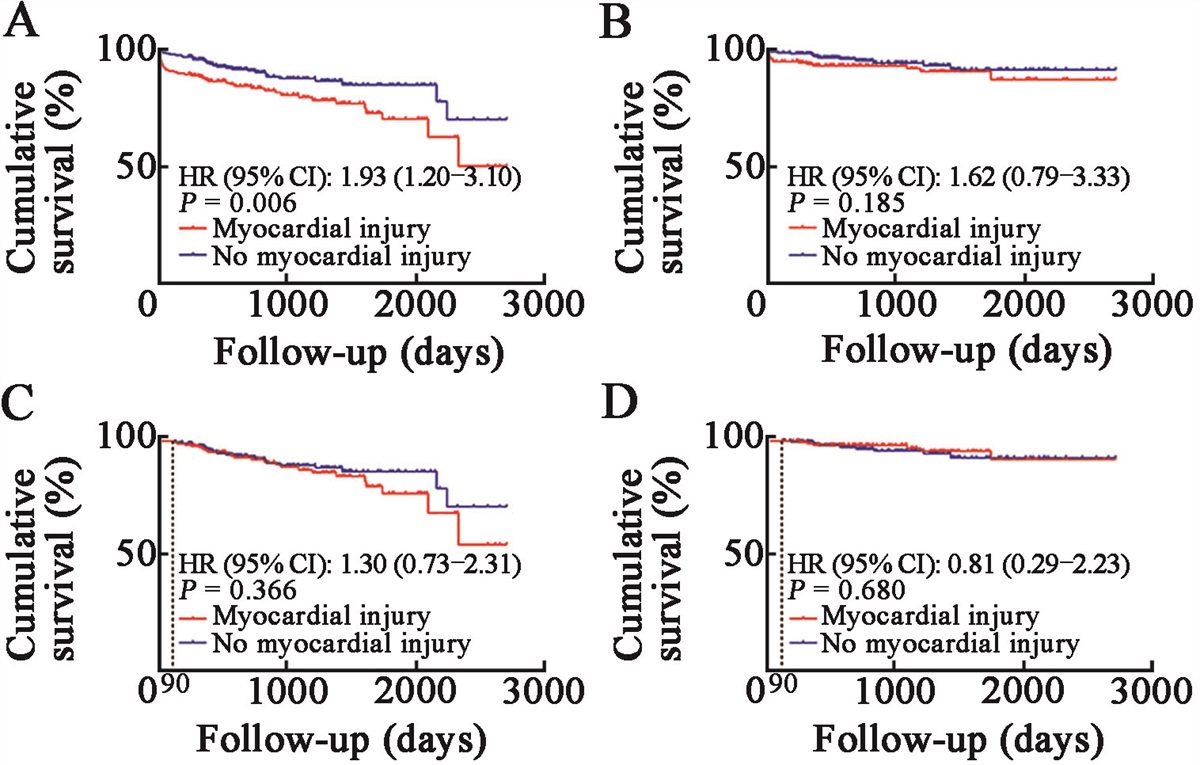
Conclusion: Preprocedural creatinine level, ViV implantation, interventricular septal thickness, and intraprocedural bleeding are independent risk factors for myocardial injury after TAVR. Peri-procedural myocardial injury predicted short-term all-cause and cardiac death within 90 days after TAVR but have no apparent influence on those who...
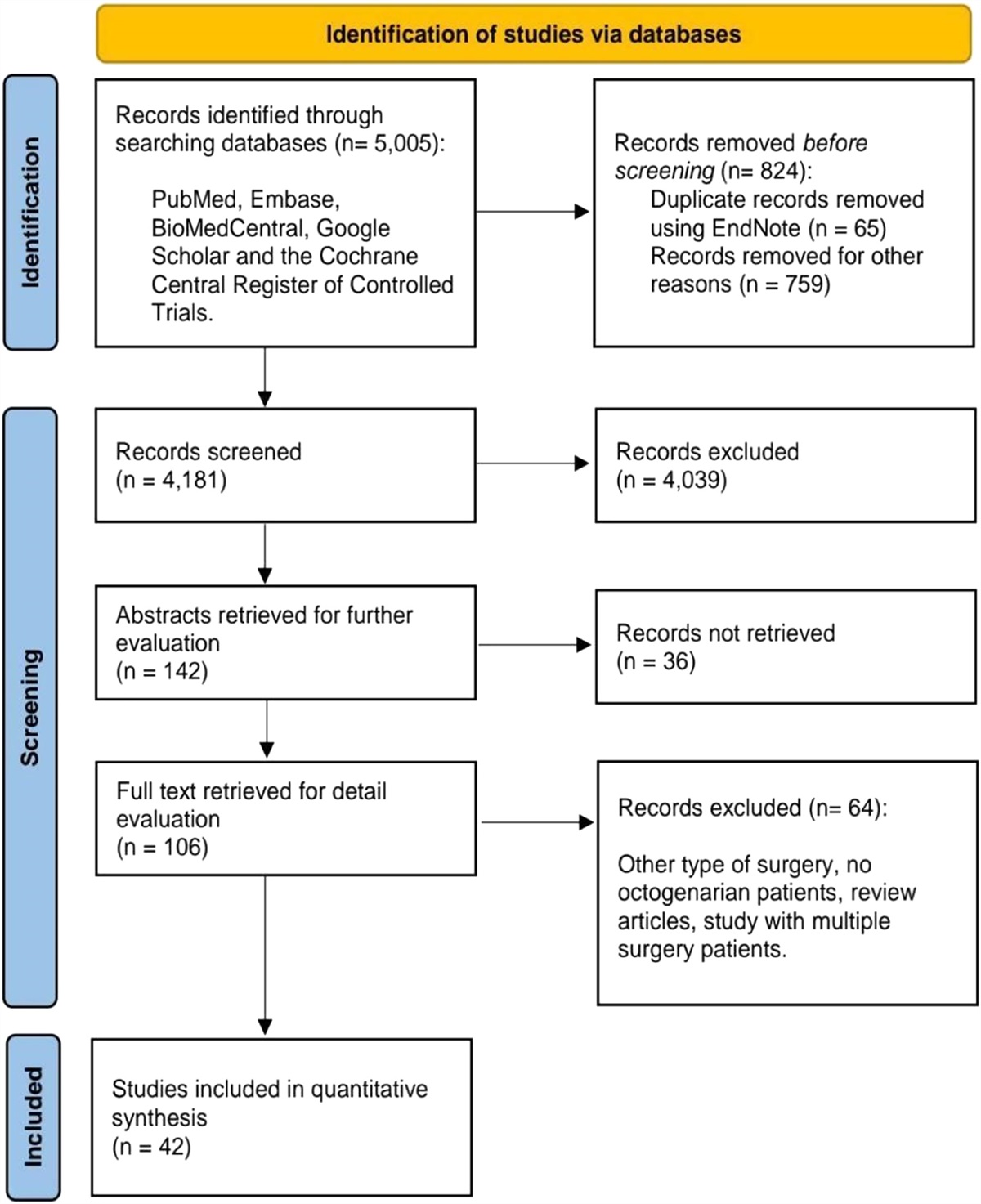
Postoperative delirium in 47 379 individuals undergoing transcatheter aortic valve replacement: a systematic review and meta-analysis
pulation. Methodology: An electronic search of PubMed, Embase, BioMedCentral, Google Scholar, and the Cochrane Central Register of Controlled Trials was conducted up to August 2021, to identify studies on the...
Conclusion: IHPOD following TAVR was observed in 10.5% of individuals and in 15.6% using CAM. Its incidence was found to be three times higher after non-TF TAVR (25.3%) compared to TF TAVR (9.3%). Stroke showed an incidence of 3.7% after TAVR and was found to be significantly associated with the risk of developing delirium following TAVR....
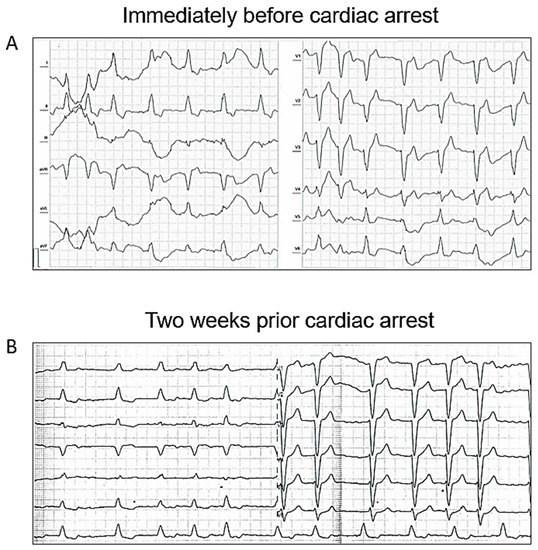
Cardiac Arrest as an Uncommon Manifestation of Late Type A Aortic Dissection Associated with Transcatheter Aortic Valve Replacement
Source : https://www.mdpi.com/2077-0383/12/16/5318
Transcatheter aortic valve replacement (TAVR) is a minimally invasive therapeutic procedure with a consistent, linear increase in the number of implantations worldwide. Recently, TAVR has been rapidly expanding into lower-risk...
Conclusions/Relevance: We present the case of a 76-year-old male, who experienced refractory in-hospital cardiac arrest with non-shockable rhythm due to the obstruction of coronary flow caused by aortic dissection type A, with entry directly adjacent to the aortic prosthesis according to autopsy. The patient died despite the engagement of...