



Carotid Stiffness After Transcatheter Aortic Valve Replacement - PubMed
Source : https://pubmed.ncbi.nlm.nih.gov/37571920/
The present study aimed to analyze common carotid artery strain properties in patients (n = 59) with severe aortic valve stenosis who underwent transcatheter aortic valve replacement (TAVR). Arterial compliance...
Conclusions/Relevance: TAVR led to a reduction of arterial wall stiffness of the common carotid artery assessed by ultrasound speckle-tracking. The decrease of arterial wall stiffness after TAVR was more pronounced in more severe aortic valve stenosis.
Effect of antecedent statin usage on conduction disturbances and arrhythmias after transcatheter aortic valve replacement
Source : https://www.sciencedirect.com/science/article/abs/pii/S1553838923007479?via=ihub
Post-transcatheter aortic valve replacement (TAVR) conduction disturbances and atrial fibrillation (AF) are associated with markedly worse short- and ...
Conclusions: Statins do not appear to reduce the risk of post-TAVR AF or conduction abnormalities in this small retrospective study.

Cerebral Embolic Protection in Transcatheter Aortic Valve Replacement - PubMed
Source : https://pubmed.ncbi.nlm.nih.gov/37520138/
Transcatheter aortic valve replacement (TAVR) is a treatment option for patients with symptomatic severe aortic stenosis across the entire spectrum of surgical risk. Recent trial data have led to the...
Relevance: In this paper, we will discuss mechanisms and predictors of stroke after TAVR and describe the currently available cerebral embolic protection devices, including their design and relevant clinical studies pertaining to their use. We will also review the current overall evidence base for cerebral embolic protection during TAVR and...
Quantitative aortography for assessment of aortic regurgitation in the era of percutaneous aortic valve replacement
Source : https://www.frontiersin.org/articles/10.3389/fcvm.2023.1161779/full
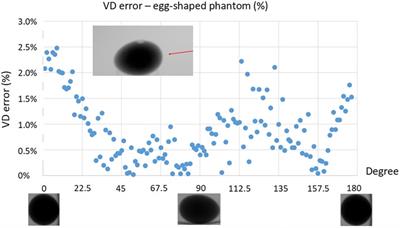
Paravalvular leak (PVL) is a shortcoming that can erode the clinical benefits of transcatheter valve replacement (TAVR) and therefore a readily applicable method (aortography) to quantitate PVL objectively and accurately...
Relevance: Paravalvular leak (PVL) is a shortcoming that can erode the clinical benefits of transcatheter valve replacement (TAVR) and therefore a readily applicable method (aortography) to quantitate PVL objectively and accurately in the interventional suite is appealing to all operators. The ratio between the areas of the time-density...

Incidence, Predictors, and Prognostic Impact of New Permanent Pacemaker Implantation After TAVR With Self-Expanding Valves - PubMed
Source : https://pubmed.ncbi.nlm.nih.gov/37480891/
New PPI was frequently needed after TAVR with SEV (11.3%) and was associated with higher 1-year mortality, particularly in patients with EF <40%. Baseline right bundle branch block and depth...
Conclusions: New PPI was frequently needed after TAVR with SEV (11.3%) and was associated with higher 1-year mortality, particularly in patients with EF <40%. Baseline right bundle branch block and depth of THV implantation independently predicted the need of PPI.