


Cardio-hepatic syndrome in patients undergoing transcatheter aortic valve replacement - Clinical Research in Cardiology
Source : https://link.springer.com/article/10.1007/s00392-023-02245-w
Background Cardiohepatic syndrome (CHS) has been identified as an important but underrecognized survival predictor in multiple cardiovascular disease entities. The objectives of this study were to evaluate the prevalence and...
Conclusion: In patients undergoing TAVR, CHS is prevalent in 22% of patients and is associated with increased postinterventional mortality. Thus, CHS should be included in the decision-making process within the TAVR heart team.
Body Mass Index and Outcomes of Transcatheter Aortic Valve Replacement: A Retrospective Observational Study
Source : https://www.sciencedirect.com/science/article/abs/pii/S0146280623002967?via=ihub
The influence of body mass index (BMI) on Transcatheter Aortic Valve Replacement (TAVR) outcomes has been the focus of several previous studies. In th...
Conclusion: Despite similar in-hospital mortality across BMI groups, having a BMI of 25 or greater is associated with improved immediate outcomes following TAVR. These benefits in overweight and obese patients are consistent with findings described in recent literature. Further studies are warranted to explore the underlying mechanisms and...

Assessing the impact of transcatheter aortic valve replacement on myocardial work indices and left ventricular diastolic function in aortic valve stenosis patients - PubMed
Source : https://pubmed.ncbi.nlm.nih.gov/37342979/
The introduction of myocardial work parameters into the routine assessment of patients with AS could improve our understanding of cardiac performance and aid in identifying the optimal timing for surgical...
Conclusion: The introduction of myocardial work parameters into the routine assessment of patients with AS could improve our understanding of cardiac performance and aid in identifying the optimal timing for surgical or percutaneous treatment.
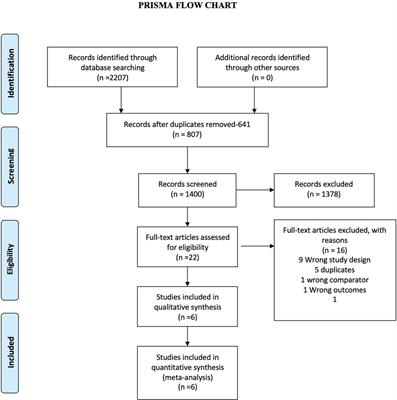
The safety and efficacy of balloon-expandable versus self-expanding trans-catheter aortic valve replacement in high-risk patients with severe symptomatic aortic stenosis
Source : https://www.frontiersin.org/articles/10.3389/fcvm.2023.1130354/full
AimTransfemoral Trans-catheter Aortic Valve Replacement (TF-TAVR) is a safe and effective therapy compared with surgical aortic valve replacement (SAVR) in patients across all risk profiles using balloon-expandable valves (BEV) and...
Conclusion: BEV TAVR is associated with reduced all-cause mortality (High level of GRADE evidence), cardiovascular mortality (very low level) at 30 days compared with SEV TAVR in high surgical risk patients. Data are necessary to determine if the difference in outcomes persists in longer-term and if the same effects are seen in lower-risk...

Severe structural valve deterioration after TAVR with ACURATE Neo: report of two cases - PubMed
Source : https://pubmed.ncbi.nlm.nih.gov/37304949/
Structural valve deterioration (SVD) of transcatheter implanted aortic valve (TAVR) prostheses leading to prosthesis dysfunction is an uncommon yet increasingly described complication. Literature is scarce on specific mechanisms and clinical...
Introduction: The clinical manifestation of bioprosthetic failure varies according to the severity of valve dysfunction. Literature is scarce on specific mechanisms and clinical presentation of SVD after TAVR, notably on self-expanding valve ACURATE Neo (Boston Scientific, Ecublens, Switzerland). We herein report on two cases with distinct...