



Low-Flow in Aortic Valve Stenosis Patients With Reduced Ejection Fraction Does Not Depend on Left Ventricular Function
Source : https://pubmed.ncbi.nlm.nih.gov/38236417/
In patients with low-flow severe aortic stenosis, low transaortic gradient and cardiac output are not primarily due to LV dysfunction or global changes in gene expression, but may be attributed...
In patients with low-flow severe aortic stenosis, low transaortic gradient and cardiac output were not primarily due to LV dysfunction or global changes in gene expression.

Coronary Flow Reserve and Myocardial Resistance Reserve Changes After Transcatheter Aortic Valve Implantation in Aortic Stenosis
Source : https://pubmed.ncbi.nlm.nih.gov/38232809/
Aortic valve stenosis (AS) induces an alteration in haemodynamic conditions that are responsible of coronary microvasculature impairment. Relief of AS by transcatheter aortic valve implantation (TAVI) is expected to improve...
In patients with low-flow severe aortic stenosis, low transaortic gradient and cardiac output were not primarily due to LV dysfunction or global changes in gene expression.

Considering Alternatives to Transcatheter Heart Valves for Managing Patients With Severe Aortic Valve Stenosis
Source : https://pubmed.ncbi.nlm.nih.gov/38166517/
Alternative therapies to TAVI, whether device-based or non-device-based, continue to evolve or emerge and provide either alternative treatments or a bridge to TAVI, for patients not meeting indications for, or...
Alternative therapies to TAVI continue to evolve or emerge and provide either alternative treatments or a bridge to TAVI for patients not meeting indications for, or having contraindications to, TAVI.

Cerebral Blood Flow and Neurocognition in Patients Undergoing Transcatheter Aortic Valve Replacement for Severe Aortic Stenosis
Source : https://www.ncbi.nlm.nih.gov/pmc/articles/PMC10763524/
Aortic valve stenosis (AS) results in higher systolic pressure to overcome resistance from the stenotic valve, leading to heart failure and decline in cardiac output. There has been no assessment...
Researchers found no evidence that AS has an impact on cerebral blood flow and a corresponding cognitive effect.
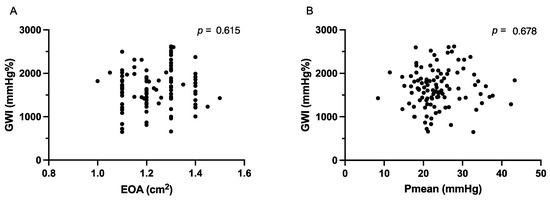
Prognostic Relevance of Global Myocardial Work Index in Patients with Moderate Aortic Valve Stenosis
Source : https://www.mdpi.com/2077-0383/12/24/7694
A reduced global myocardial work index (GWI) ≤ 1951 mmHg% is associated with increased mortality in patients with severe aortic valve stenosis (AS). However, parameters predicting the outcome in patients...
Although the global myocardial work index has shown promise in patients with severe AS, its applicability in moderate AS remains uncertain.