



Predictive Value of the Hemoglobin-Geriatric Nutritional Risk Index in Patients With Heart Failure
Source : https://www.mdpi.com/2072-6643/15/22/4789
Malnutrition prevails among patients with heart failure (HF), increasing the likelihood of functional decline. We assessed the predictive value of the Hemoglobin-Geriatric Nutritional Risk Index (H-GNRI)-combining hemoglobin and the Geriatric...
Researchers found that the H-GNRI score was associated with BI at discharge, BI gain, BI efficiency, length of hospital stay, in-hospital mortality, discharge to home or a nursing home, and hospitalization-associated disability.
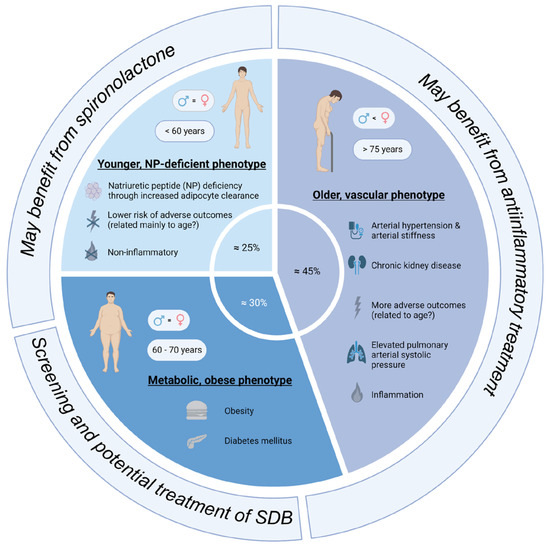
Insights Into the Interaction of Heart Failure With Preserved Ejection Fraction and Sleep-Disordered Breathing
Source : https://www.mdpi.com/2227-9059/11/11/3038
Heart failure with preserved ejection fraction (HFpEF) is emerging as a widespread disease with global socioeconomic impact. Patients with HFpEF show a dramatically increased morbidity and mortality, and, unfortunately, specific...
Sleep-disordered breathing and HFpEF are often closely interwoven, and there might even be bidirectional associations that promote a vicious circle.
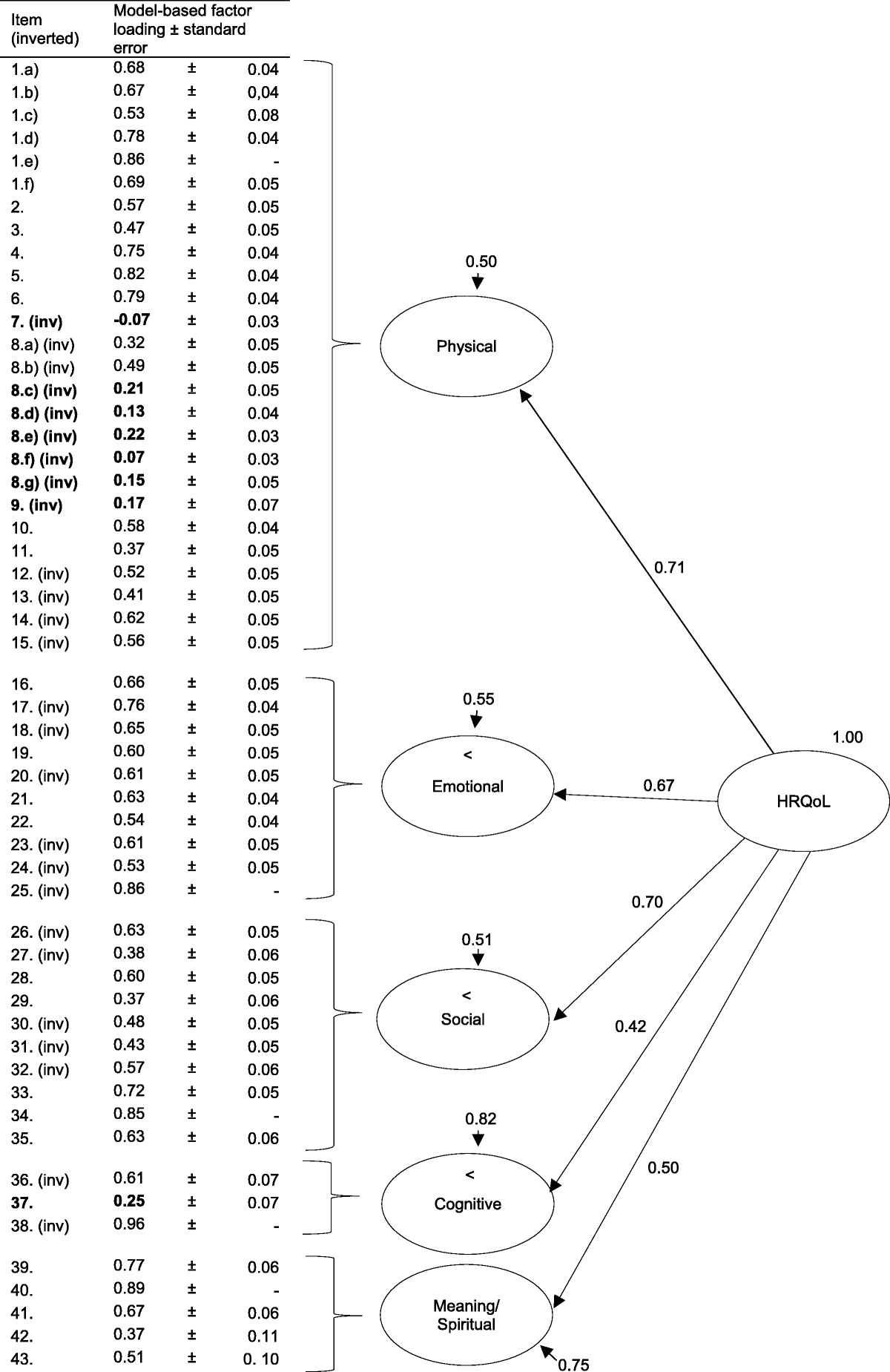
Health-Related Quality of Life in Patients With Ventricular Assist Device: Psychometric Evaluation of the German Version of the Quality of Life With a Ventricular Assist Device Questionnaire
In a multicenter, cross-sectional study, 393 participants (mean age, 58.3 years; 85.8% male, 60.3% bridge to transplant, and 72.8% living with VAD for ≤2 years) completed the German Quality of...
The implantation of ventricular assist devices (VADs) has emerged as an alternative treatment strategy for the growing number of patients with end-stage heart failure.

Effects of Semaglutide on Symptoms, Function, and Quality of Life in Patients With Heart Failure With Preserved Ejection Fraction and Obesity: a Prespecified Analysis of the STEP-HFpEF Trial
Source : https://pubmed.ncbi.nlm.nih.gov/37952180/
Patients with heart failure (HF) with preserved ejection fraction (HFpEF) and obesity experience high burden of symptoms and functional impairment, and a poor quality of life.
Rethinking the Impact and Management of Diabetes in Heart Failure Patients
Source : https://link.springer.com/article/10.1007/s11897-023-00633-x
The following overview article summarizes the most important aspects of diagnosis and screening and provides an overview on the current evidence of glucose-lowering and heart failure treatment in patients with...
Given the increasing incidence of diabetes and heart failure as well as the impaired prognosis if both comorbidities come together, treatment of these patients requires an interdisciplinary, evidence-based approach to reduce morbidity and mortality in this high-risk population.