


The effect of SGLT-2 inhibitors on cardiorespiratory fitness capacity: A systematic review and meta-analysis
Source : https://www.frontiersin.org/articles/10.3389/fphys.2022.1081920/full
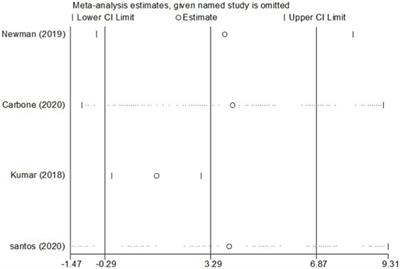
Objective: The study aimed to evaluate the effect of sodium-glucose transporter 2 (SGLT-2) inhibitors on various parameters of exercise capacity and provide an evidence-based basis for type 2 diabetes mellitus...
Conclusion: Despite the limited number of studies and samples involved, the meta-analysis preliminarily demonstrated that SGLT-2 inhibitors could improve some parameters of exercise capacity (VO2peak, VAT) in chronic HF patients with or without T2DM and obese individuals, which had a positive effect on promoting cardiopulmonary fitness to help...
Emerging concepts in heart failure treatment and management: focus on SGLT2 inhibitors in heart failure with preserved ejection fraction - Drugs in Context
This article provides an overview of the main pathophysiological characteristics of heart failure with preserved ejection fraction (HFpEF), the considered diverse biological effects of sodium-glucose cotransporter 2 inhibitors (SGLT2i) in...
Conclusions/Relevance: SGLT2i can reduce myocardial passive stiffness (diastolic function) by enforcing the phosphorylation of myofilament modulatory proteins. This article provided an overview of the main pathophysiological characteristics of HFpEF and of the diverse mechanisms of action of SGLT2i in this setting. The supporting clinical...
Emerging concepts in heart failure management and treatment: focus on current guideline-directed medical therapy for heart failure with reduced ejection fraction - Drugs in Context
This article reviews an updated therapeutic algorithm for heart failure with reduced ejection fraction (HFrEF) with a special focus on the therapeutic value of adding an mineralocorticoid receptor antagonist, changing...
Relevance: This manuscript reviews the current therapeutic algorithm with a special focus on the therapeutic value of adding an MRA (still underused in both clinical trials and real world), changing an ACEi/ARB for an ARNi and incorporating an SGLT2i in patients with HFrEF.

Cost-Effectiveness of Empagliflozin on Top of Standard of Care for Heart Failure With Reduced Ejection Fraction in Singapore
Source : https://www.valuehealthregionalissues.com/article/S2212-1099(22)00207-2/fulltext
The prevalence of heart failure (HF) and its risk factors are high in Singapore. The EMPEROR-Reduced trial demonstrated that add-on empagliflozin resulted in a reduction in the risk of cardiovascular...
Conclusion: The use of empagliflozin on top of SoC represents a highly cost-effective solution for the treatment of patients with HF with reduced ejection fraction in Singapore when considering its efficacy, relative affordability, and the growing economic burden of HF in Singapore.

Usefulness of High-Sensitivity Troponin I in Risk Stratification and Final Disposition of Patients with Acute Heart Failure in the Emergency Department: Comparison between HFpEF vs. HFrEF - PubMed
Source : https://pubmed.ncbi.nlm.nih.gov/36676630/
Background and Objectives: In patients with acute heart failure (AHF), there is no definite evidence on the relationship between high-sensitivity cardiac troponin (hs-cTnI) and the left ventricular ejection fraction (LVEF)...
Conclusions: In patients admitted to the ED for AHF without ACS, there is a negative relationship between hs-cTnI and a reduced LVEF, although a significant percentage of patients with a preserved LVEF also resulted to have high levels of hs-cTnI. In the absence of ACS, hs-cTnI seems to be a reliable biomarker of myocardial injury in AHF in the...