


The effect of EMPAgliflozin on markers of inflammation in patients with concomitant type 2 diabetes mellitus and Coronary ARtery Disease: the EMPA-CARD randomized controlled trial - Diabetology & Metabolic Syndrome
Source : https://dmsjournal.biomedcentral.com/articles/10.1186/s13098-022-00951-5
Systemic inflammation and oxidative burden in patients with type 2 diabetes mellitus (T2DM) causes deleterious cardiovascular outcomes. We sought to investigate the clinical antioxidative and anti-inflammatory effects of empagliflozin. Platelet...
Conclusion: Among patients with T2DM and CAD, 6-month treatment with empagliflozin can mitigate inflammation, platelet activity and oxidative stress and is associated with clinical cardiovascular benefits.
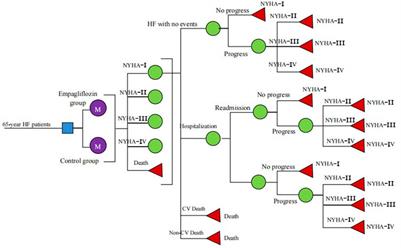
Cost-utility analysis of empagliflozin in heart failure patients with reduced and preserved ejection fraction in China
Source : https://www.frontiersin.org/articles/10.3389/fphar.2022.1030642/full
Objective: EMPEROR-Reduced and EMPEROR-Preserved studies showed the benefits of empagliflozin along with a reduction in cardiovascular death or hospitalisation for heart failure (HF).
Conclusion: Considering that the WTP threshold was $12,652.5/QALY, adding empagliflozin to standard therapy was proven to be a slightly more cost-effective option for the treatment of HFrEF and HFpEF from a Chinese healthcare system perspective, which promoted the rational use of empagliflozin for HF.
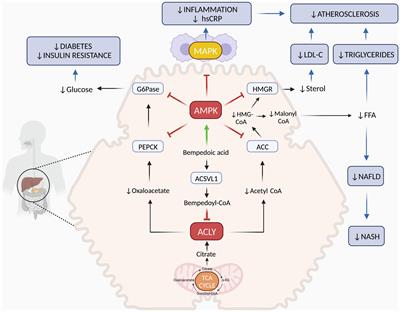
Mechanism of action and therapeutic use of bempedoic acid in atherosclerosis and metabolic syndrome
Source : https://www.frontiersin.org/articles/10.3389/fcvm.2022.1028355/full
Bempedoic acid is a new cholesterol-lowering drug, which has recently received US FDA and EMA approval. This drug targets lipid and glucose metabolism as well as inflammation via downregulation of...
Relevance: The aim of this narrative review on bempedoic acid is to explore the underlying mechanisms of action and potential clinical targets, present existing evidence from clinical trials, and describe practical management of patients.
Conclusions: Among people with neither diabetes nor significant heart failure but with risk factors for adverse cardiac remodeling, SGLT2 inhibition with empagliflozin did not result in a meaningful reduction in LVMi after 6 months.
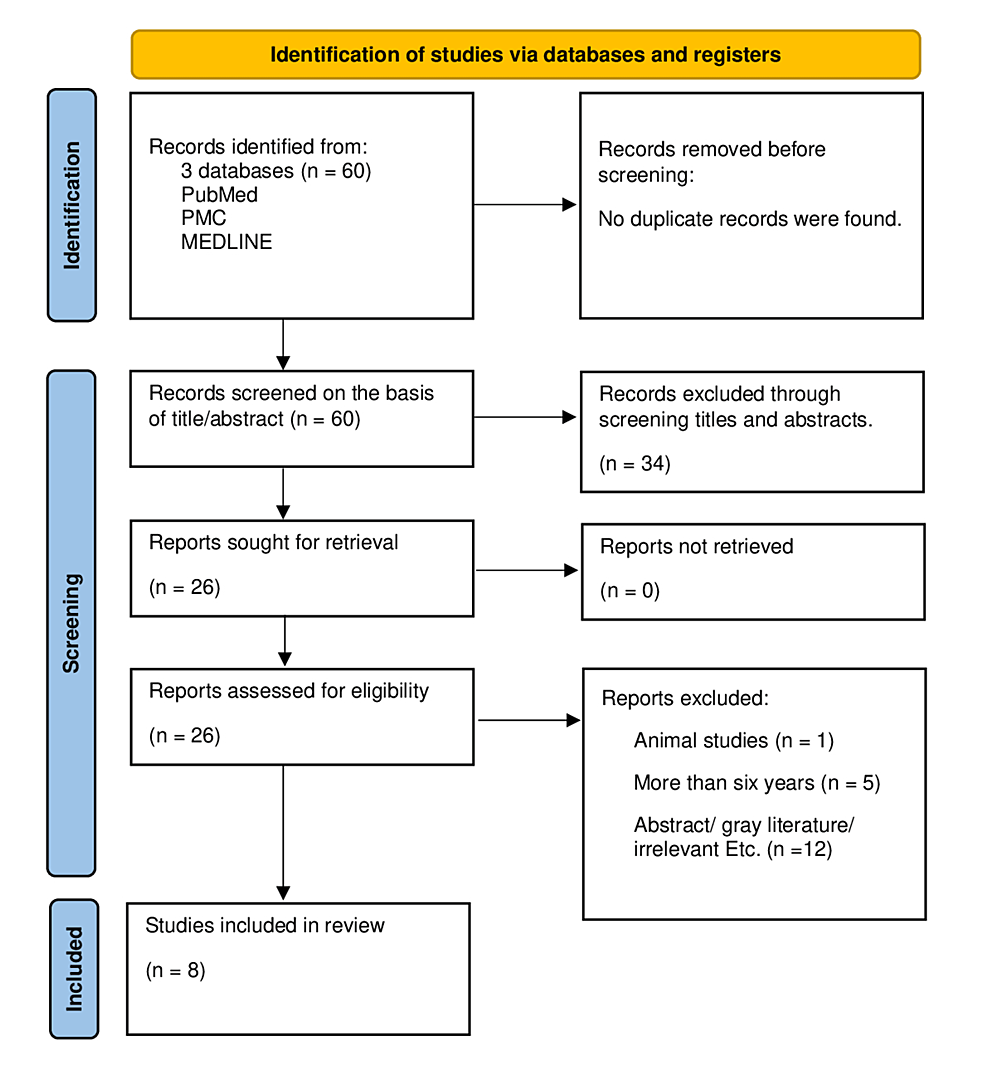
A Systematic Review Exploring the Cardiovascular and Renal Effects of Empagliflozin in Patients With Heart Failure With Reduced Ejection Fraction
The major cause of death in the United States is heart disease. The global burden of illness and mortality from heart failure is substantial. Despite recent innovations in the treatment...
Relevance: This systematic review's objective is to investigate and explore the full range of empagliflozin's effects and advantages on cardiac structure, function, and hemodynamics and renal function in patients with heart failure with reduced ejection fraction (EF) in order to better understand the drug's effects and related mechanisms.