


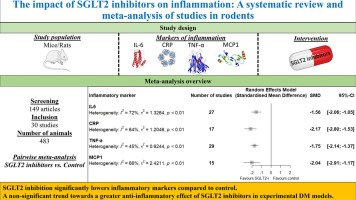
The impact of SGLT2 inhibitors on inflammation: A systematic review and meta-analysis of studies in rodents
Source : https://www.sciencedirect.com/science/article/pii/S1567576922005641?via=ihub
SGLT2 inhibition has resulted in favorable cardiorenal outcomes. * Anti-inflammatory actions have been implicated in their pleiotropic effects. * No data on inflammatory parameters are available to date from the...
Conclusion: The present meta-analysis suggests that SGLT2 inhibition results in reduction of inflammatory markers in animal models, further validating the suggested anti-inflammatory mechanism of action.
SGLT2 Inhibitors: New Hope for the Treatment of Acute Myocardial Infarction? - American Journal of Cardiovascular Drugs
Source : https://link.springer.com/article/10.1007/s40256-022-00545-6
Among all of the new antidiabetic drugs, an increasing number of studies have evaluated the relationship between the sodium-glucose cotransporter 2 inhibitors (SGLT2i) and acute myocardial infarction (AMI).
Conclusion/Relevance: This is a review of the clinical and preclinical effects of SGLT2i, focusing on available data on the effects of SGLT2i in AMI patients with a brief overview of ongoing trials.

Consensus statement on the current pharmacological prevention and management of heart failure - PubMed
Source : https://pubmed.ncbi.nlm.nih.gov/35908234/
▪Use of sodium-glucose cotransporter 2 (SGLT2) inhibitors to prevent hospitalisation for heart failure in type 2 diabetes mellitus can be extended to patients with multiple cardiovascular risk factors, albuminuric chronic...
Main recommendations: Use of sodium-glucose cotransporter 2 (SGLT2) inhibitors to prevent hospitalisation for heart failure in type 2 diabetes mellitus can be extended to patients with multiple cardiovascular risk factors, albuminuric chronic kidney disease, or atherosclerotic cardiovascular disease ….
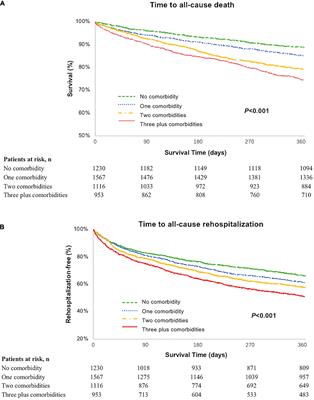
Impact of Non-cardiac Comorbidities on Long-Term Clinical Outcomes and Health Status After Acute Heart Failure in China
Source : https://www.frontiersin.org/articles/10.3389/fcvm.2022.883737/full
BackgroundIndividual non-cardiac comorbidities are prevalent in HF; however, few studies reported how the aggregate burden of non-cardiac comorbidities affects long-term outcomes, and it is unknown whether this burden is associated...
Conclusion: Among patients hospitalized with HF in this study, a higher burden of non-cardiac comorbidities was significantly associated with worse health-related QoL (HRQoL), increased risks of death, and rehospitalization post-discharge. The findings highlight the need to address the management of comorbidities effectively in standardized HF...
SGLT2-Inhibitors on HFpEF Patients. Role of Ejection Fraction - Cardiovascular Drugs and Therapy
Source : https://link.springer.com/article/10.1007/s10557-022-07371-7
Results from DELIVER trial and publication of EMPEROR-Preserved with sodium-glucose cotransporter 2 (SGLT2) inhibitors in patients with heart failure (HF) with ejection fraction (EF) > 40% represent a significant step forward in...
Relevance: Results from DELIVER trial and publication of EMPEROR-Preserved with sodium-glucose cotransporter 2 (SGLT2) inhibitors in patients with heart failure (HF) with ejection fraction (EF) > 40% represent a significant step forward in the treatment of HF with preserved EF (HFpEF). However, detailed analysis and attenuation of effect...