


I am interested to hear from those in outpatient clinical cardiology who see patients referred for "clearance to take stimulants", "tachycardia--on stimulants" and other such clinical questions. It has been my experience that the majority of individuals who are on stimulant therapy for ADHD tolerate them very well in spite of perhaps slightly...
-
Lynn Cronin3yr
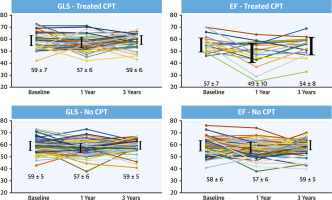
Cardioprotection Using Strain-Guided Management of Potentially Cardiotoxic Cancer Therapy: 3-Year Results of the SUCCOUR Trial
Source : https://www.sciencedirect.com/science/article/abs/pii/S1936878X22006167?via=ihub
Global longitudinal strain (GLS) can predict cancer therapeutics-related cardiac dysfunction and guide initiation of cardioprotection (CPT).In this st...
Conclusions: Among patients taking potentially cardiotoxic chemotherapy for cancer, the 3-year data showed improvement of LV dysfunction compared with 1 year, with no difference in ΔEF between GLS- and EF-guided CPT.
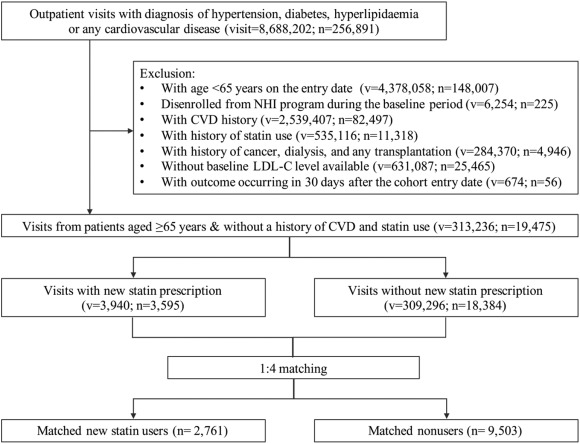
Effectiveness of statins for the primary prevention of cardiovascular disease in the Asian elderly population
Source : https://www.internationaljournalofcardiology.com/article/S0167-5273(22)01718-1/fulltext
Population aging is a global trend, and the elderly have a higher risk of atherosclerotic cardiovascular disease (ASCVD) and related mortality. Statins have been observed to reduce cardiovascular events in...
Conclusion: Statin use could be beneficial for the primary prevention of CVD in elderly Asians.
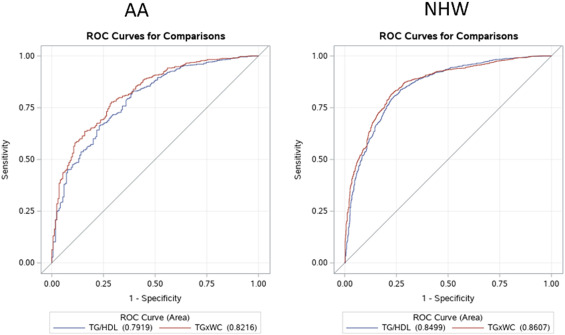
The triglyceride-waist circumference index is a valid biomarker of metabolic syndrome in African Americans
Source : https://www.amjmedsci.org/article/S0002-9629(22)00464-5/fulltext
The hypertriglyceridemia waist (HTGW) phenotype is associated with visceral adiposity, metabolic syndrome, type 2 diabetes mellitus (T2DM) and atherosclerotic cardiovascular disease (ASCVD). Since the cut points for abdominal obesity and...
Conclusions: TG.WC index is a superior biomarker to TG:HDL-C for predicting MetS in AAs despite their lower TG levels.
Guidelines for the management of hyperlipidemia: How can clinicians effectively implement them?
Source : https://www.sciencedirect.com/science/article/abs/pii/S0033062022001219?via=ihub
Guidelines support lowering cholesterol to decrease atherosclerotic cardiovascular disease (ASCVD) risk across the entire lifespan with intensive life...
Conclusions/Relevance: Further research is needed to comprehensively evaluate these barriers in order to develop appropriate and sustainable interventions to improve guideline implementation.