


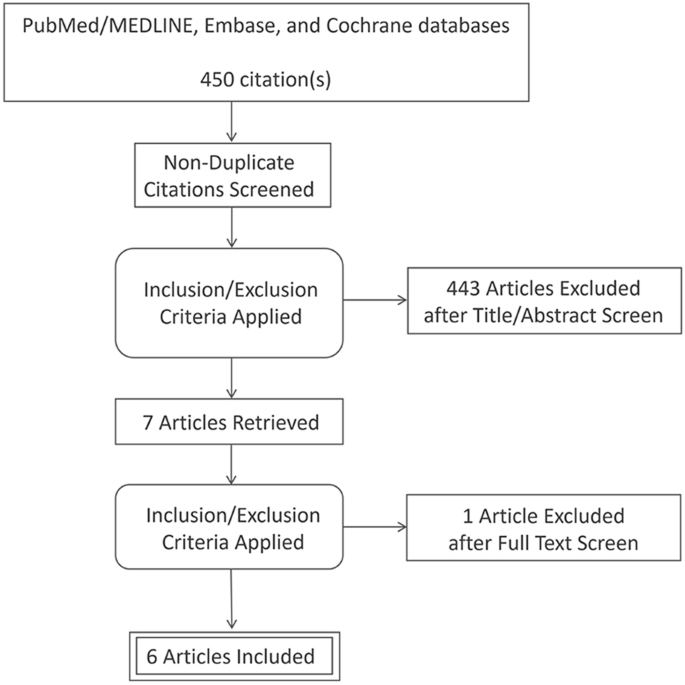
Transcatheter Aortic Valve Replacement for Aortic Valve Infective Endocarditis: A Systematic Review and Call for Action - Cardiology and Therapy
Source : https://link.springer.com/article/10.1007/s40119-023-00314-9
We aimed to systematically analyze the literature on the use of transcatheter aortic valve replacement (TAVR) to treat active aortic valve infective endocarditis (AV-IE). Surgery is declined in one-third of...
Conclusions/Relevance: Our review suggests that TAVR can be considered as an adjuvant therapy to medical treatment for selected patients in whom surgery is indicated for treatment of acute heart failure due to aortic valve destruction and incompetence caused by infective endocarditis, but who have a prohibitive surgical risk. Nonetheless, a...

Impact of coronary artery disease on clinical outcomes after TAVR: Insights from the BRAVO-3 randomized trial - PubMed
Source : https://pubmed.ncbi.nlm.nih.gov/37036268/
The .gov means it's official. Federal government websites often end in .gov or .mil. Before sharing sensitive information, make sure you're on a federal government site. The site is secure....
Conclusion: CAD was not associated with a higher short-term risk of NACE or major bleeding after TAVR. Periprocedural anticoagulation with bivalirudin did not show any advantage over UFH in patients with and without CAD.
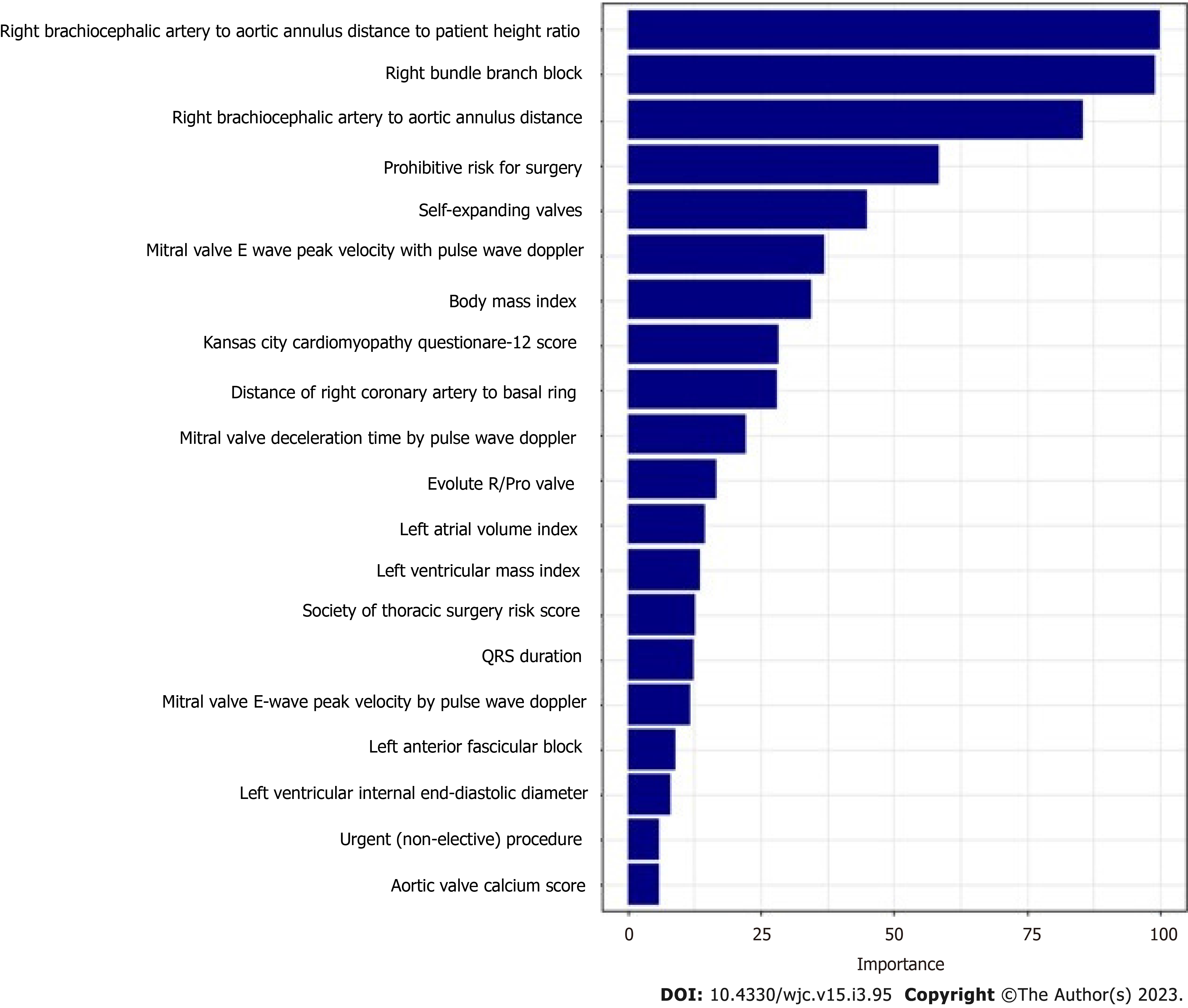
Prediction of permanent pacemaker implantation after transcatheter aortic valve replacement: The role of machine learning
Source : https://www.wjgnet.com/1949-8462/full/v15/i3/95.htm
Transcatheter aortic valve replacement (TAVR) is increasingly being used in preference to surgical aortic valve replacement (SAVR) in patients with aortic stenosis[ 1- 3]. The most common complication of TAVR...
Conclusion: The GBM model has good discrimination and calibration in identifying patients at high risk of PPM post-TAVR.

Prognostic Impact of Baseline Six-Minute Walk Distance following Trans-Catheter Aortic Valve Replacement - PubMed
Source : https://pubmed.ncbi.nlm.nih.gov/37048588/
Overall, functional capacity was impaired in the elderly patients with severe aortic stenosis prior to TAVR. Patients with severe aortic stenosis having shorter baseline 6MWD tended to have higher rates...
Conclusions: Overall, functional capacity was impaired in the elderly patients with severe aortic stenosis prior to TAVR. Patients with severe aortic stenosis having shorter baseline 6MWD tended to have higher rates of morbidity and mortality after successful TAVR. The clinical implication of aggressive cardiac rehabilitation to improve...
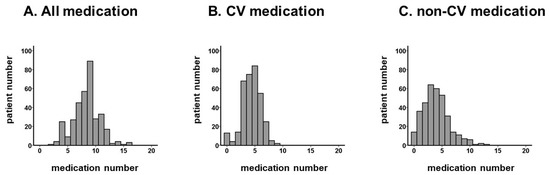
Prognostic Impact of Polypharmacy following Trans-Catheter Aortic Valve Replacement
Source : https://www.mdpi.com/2077-0383/12/7/2598
Background: Polypharmacy in elderly patients with various comorbidities is associated with mortality and morbidity. However, the prognostic impact of polypharmacy in patients with severe aortic stenosis receiving trans-catheter aortic valve...
Conclusions: In elderly patients with severe aortic stenosis, polypharmacy was associated with worse short-term survival following trans-catheter aortic valve replacement. Prognostic implication of aggressive intervention to decrease the amount of medication among those receiving TAVR requires further prospective studies.