


Conclusions: The RVPB ≥30% at 1 year was associated with worse outcomes. Clinical benefit of minimal RV pacing algorithms and biventricular pacing needs to be investigated.
Association of renin-angiotensin system inhibitors use with short- and long-term mortality in patients with aortic stenosis: A systematic review and meta-analysis
Source : https://www.frontiersin.org/articles/10.3389/fcvm.2022.917064/full
PurposeThe present study aimed to investigate the association of renin-angiotensin system inhibitors (RASi) with short- and long-term mortality in patients with aortic stenosis (AS).MethodsA systematic search was performed in PubMed,...
Conclusion: Renin–angiotensin system inhibitors did not change long-term mortality in AS patients who did not undergo AVR. However, RASi reduced short- and long-term mortality in patients who underwent AVR.
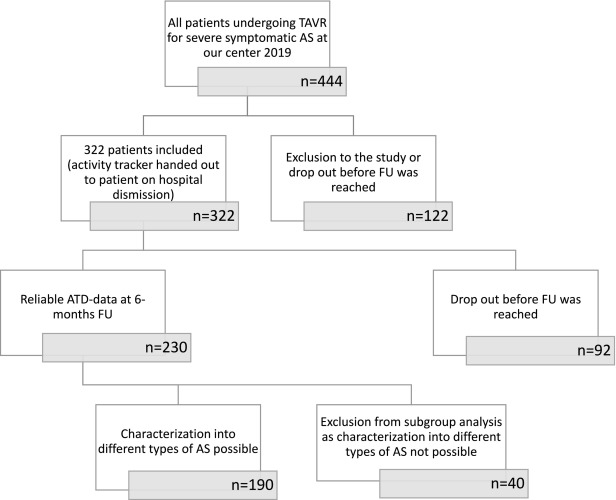
Quantification of physical activity with prospective activity tracking after transfemoral aortic valve replacement
Source : https://www.internationaljournalofcardiology.com/article/S0167-5273(23)00168-7/fulltext
Transcatheter aortic valve replacement (TAVR) is a well-established, safe and effective therapy for severe symptomatic aortic stenosis (AS). The aim of this study was to objectively quantify improvement of physical...
Conclusions: This first prospective study of this sample size shows significant improvement of physical activity after TAVR with an objective and reproducible method. This was mainly driven by an improvement in patients with HG-AS and paradoxical LFLG-AS.
Feasibility study of temporary permanent pacemaker in patients with conduction block after TAVR
Source : https://www.frontiersin.org/articles/10.3389/fcvm.2023.978394/full
BackgroundLimited data exist on the use of temporary permanent pacemaker (TPPM) to reduce unnecessary PPM in patients with high-degree atrioventricular block (HAVB) after transcatheter aortic valve replacement (TAVR).ObjectivesThis study aims...
Conclusion: TPPM is reliable and safe in the small sample of patients with conduction block after TAVR to provide certain buffer time to distinguish whether a PPM is necessary. Future studies with larger sample are needed for further validation of the current results.
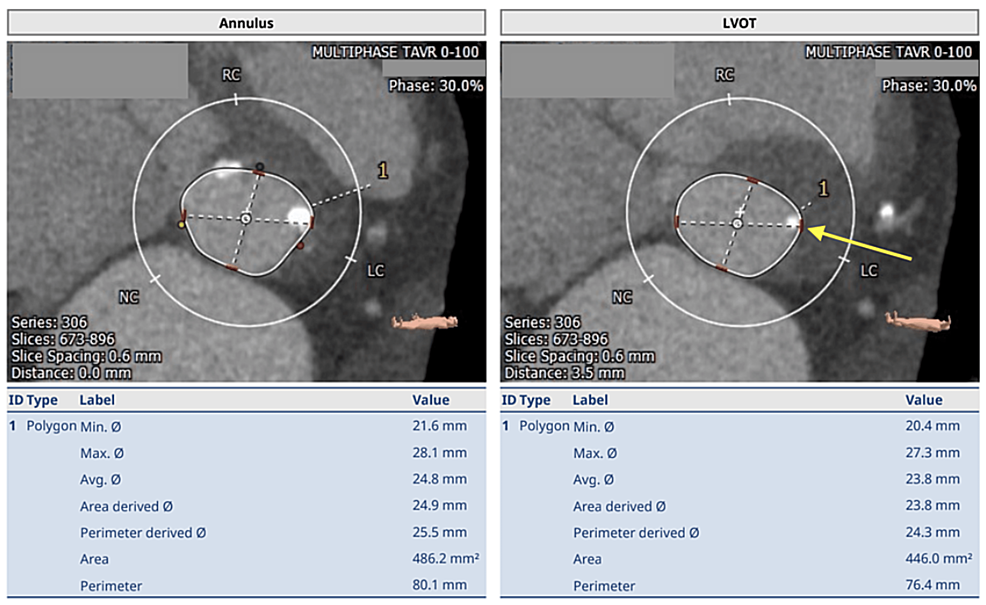
Annular Rupture Due to Calcified Nodule Located in Left Ventricular Outflow Tract (LVOT) During Transcatheter Aortic Valve Replacement (TAVR) Managed by Protamine Sulfate
Annular rupture is a rare yet fatal complication of transcatheter aortic valve replacement (TAVR). The likelihood of annular rupture is increased by the presence of extensive subannular calcification, excessive balloon...
Relevance: We present the case of an 84-year-old man who developed an annular rupture during TAVR, likely due to the presence of a calcified nodule located in LVOT, which was noted on a pre-procedural computed tomography (CT) scan.