


Trend and early outcomes in isolated surgical aortic valve replacement in the United Kingdom
Source : https://www.frontiersin.org/articles/10.3389/fcvm.2022.1077279/full
ObjectiveSurgical aortic valve replacement (SAVR) is traditionally the gold-standard treatment in patients with aortic valve disease. The advancement of transcatheter aortic valve replacement (TAVR) provides an alternative treatment to patients...
Conclusion: Surgical aortic valve replacement remains an effective treatment for patients with isolated aortic valve disease with a low in-hospital/30-day mortality rate. The number of patients with high-risk and octogenarians who underwent isolated SAVR and those requiring redo surgery has reduced since 2016, likely due to the advancement in...
Conscious sedation/monitored anesthesia care versus general anesthesia in patients undergoing transcatheter aortic valve replacement: A meta-analysis
Source : https://www.frontiersin.org/articles/10.3389/fcvm.2022.1099959/full
BackgroundTo compare the merits and safety between conscious sedation/monitored anesthesia (CS/MAC) and general anesthesia (GA) for patients receiving transcatheter aortic valve replacement (TAVR).MeasurementsDatabases including EMBASE, MEDLINE, and the Cochrane Library...
Conclusion: Compared with GA, our results demonstrated that the use of CS/MAC may be feasible and safe in patients receiving TAVR. However, more evidence is needed to support our findings because of our inclusion of mostly retrospective studies.
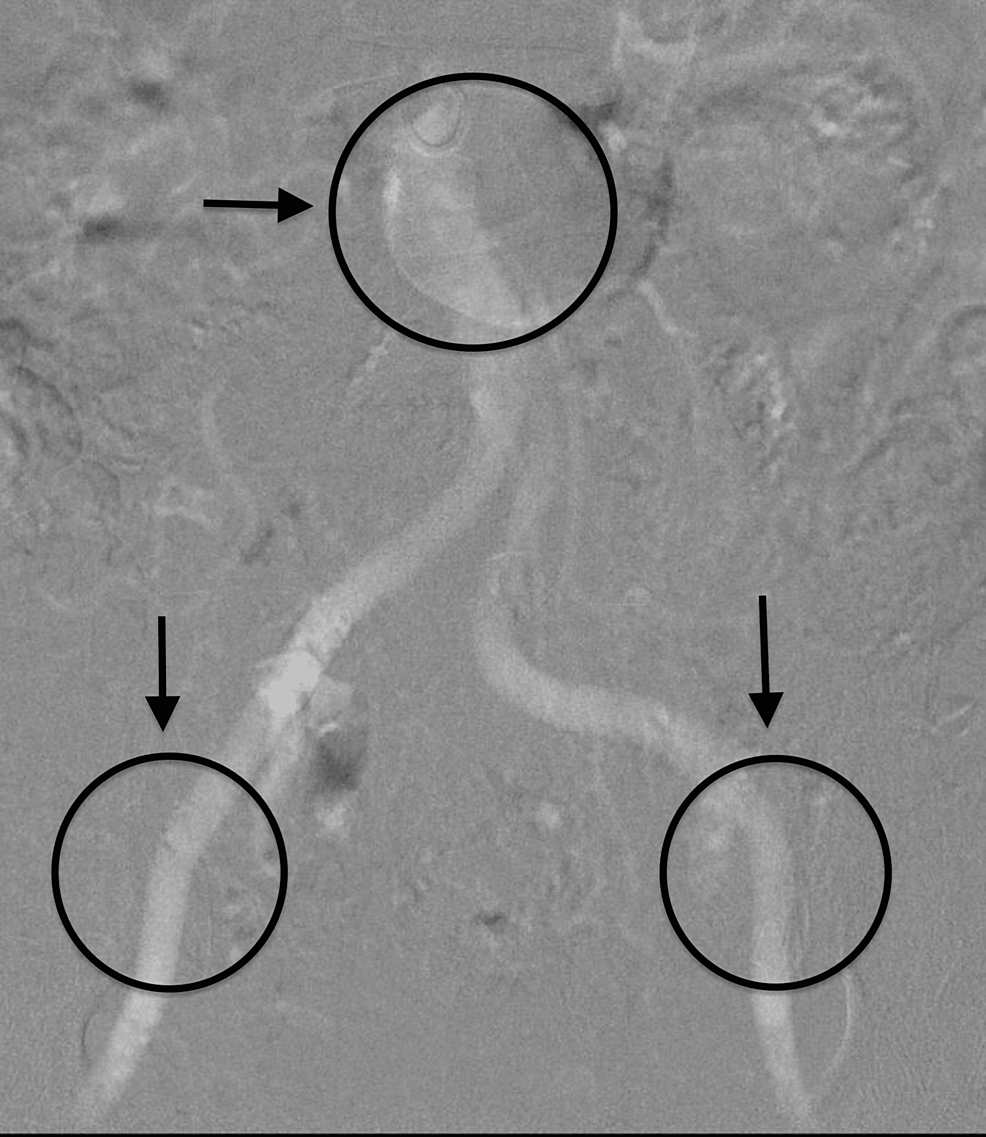
A Contrast Frugal Approach to Transcatheter Aortic Valve Replacement in Chronic Kidney Disease: A Pilot Study
Background: Transcatheter aortic valve replacement (TAVR) is now regarded as a viable treatment option for all cases of severe aortic stenosis (AS). Acute kidney injury (AKI) is common and lowers...
#!/
Conclusions: “Contrast frugal” approach is feasible and safe for pre-TAVR evaluation and the procedure itself. Our pilot study showed no significant paravalvular leak of the prosthetic valve following this proposed protocol. No statistically significant decrease in eGFR was noted on a one-year follow-up.

Trimethylamine N-Oxide Levels Are Associated with Severe Aortic Stenosis and Predict Long-Term Adverse Outcome - PubMed
Source : https://pubmed.ncbi.nlm.nih.gov/36675336/
The .gov means it's official. Federal government websites often end in .gov or .mil. Before sharing sensitive information, make sure you're on a federal government site. The site is secure....
Conclusions: The TMAO level was higher in aortic stenosis patients. Elevated TMAO was associated with poor adverse outcome after TAVR.

Transcatheter Aortic Valve Replacement vs. Surgical Aortic Valve Replacement for Long-Term Mortality Due to Stroke and Myocardial Infarction: A Meta-Analysis during the COVID-19 Pandemic - PubMed
Source : https://pubmed.ncbi.nlm.nih.gov/36676636/
Background and objectives: One of the leading causes of mortality and morbidity in people over the age of 50 is stroke. The acceptance of transcatheter aortic valve replacement (TAVR) as...
Conclusions: On the basis of the research studies included in our meta-analysis, it is obvious that TAVR is not a viable treatment option to prevent late stroke mortality in patients over 5 years post-surgery. Furthermore, SAVR is better at reducing the cardiogenic cause of mortality in patients than TAVR is over the same duration.