



Long-term risk associated with clonal hematopoiesis in patients with severe aortic valve stenosis undergoing TAVR - Clinical Research in Cardiology
Source : https://link.springer.com/article/10.1007/s00392-022-02135-7
Background Mutations in the clonal hematopoiesis of indeterminate potential (CHIP)-driver genes DNMT3A and TET2 have been previously shown to be associated with short-term prognosis in patients undergoing TAVR for aortic...
Conclusion: DNMT3A- and TET2-CHIP-driver mutations are associated with long-term mortality in patients with aortic valve stenosis even after a successful TAVR. The association is also present in never smokers, in whom no biasing effect from smoking on DNA methylation is to be expected.

Prediction of conduction disturbances in patients undergoing transcatheter aortic valve replacement - Clinical Research in Cardiology
Source : https://link.springer.com/article/10.1007/s00392-023-02160-0
Aim Transcatheter aortic valve replacement (TAVR) can cause intraventricular conduction disturbances (ICA), particularly left bundle branch block (BBB) and high-degree atrioventricular block (HAVB). The aim of this study was to...
Conclusions: New-onset left BBB and diabetes mellitus independently predicted HAVB requiring PPM after TAVR and helped to identify patients at risk. Electrophysiologic study (EPS) of atrioventricular conduction was neither specific nor predictive of HAVB and can be skipped.

Transcatheter Aortic Valve Replacement for Bicuspid vs. Tricuspid Aortic Stenosis among Patients at Low Surgical Risk in China: From the Multicenter National NTCVR Database - PubMed
Source : https://pubmed.ncbi.nlm.nih.gov/36615187/
The .gov means it's official. Federal government websites often end in .gov or .mil. Before sharing sensitive information, make sure you're on a federal government site. The site is secure....
Conclusions: In this national registry-based study, patients treated for BAV vs. TAV stenosis had no significant difference in all-cause mortality at 30 days, but trans-carotid access was associated with a higher all stroke rate after TAVR at 30 days.

Aortic valve leaflet disruption techniques in transcatheter aortic valve replacement
Source : https://jgc301.com/en/article/doi/10.11909/j.issn.1671-5411.2022.12.006
With continued technological advancement and technical improvement of transcatheter aortic valve replacement (TAVR), it has become a desirable treatment option for aortic valve stenosis. Its minimally invasive approach compared to...
Conclusions/Relevance: Patient outcomes following TAVR with BASILICA have been promising. Meticulous preoperative examination, patient selection, and hemodynamic management are imperative. With continued refinement, BASILICA may further expand the application of TAVR to patients at high risk for coronary occlusion associated with the procedure.
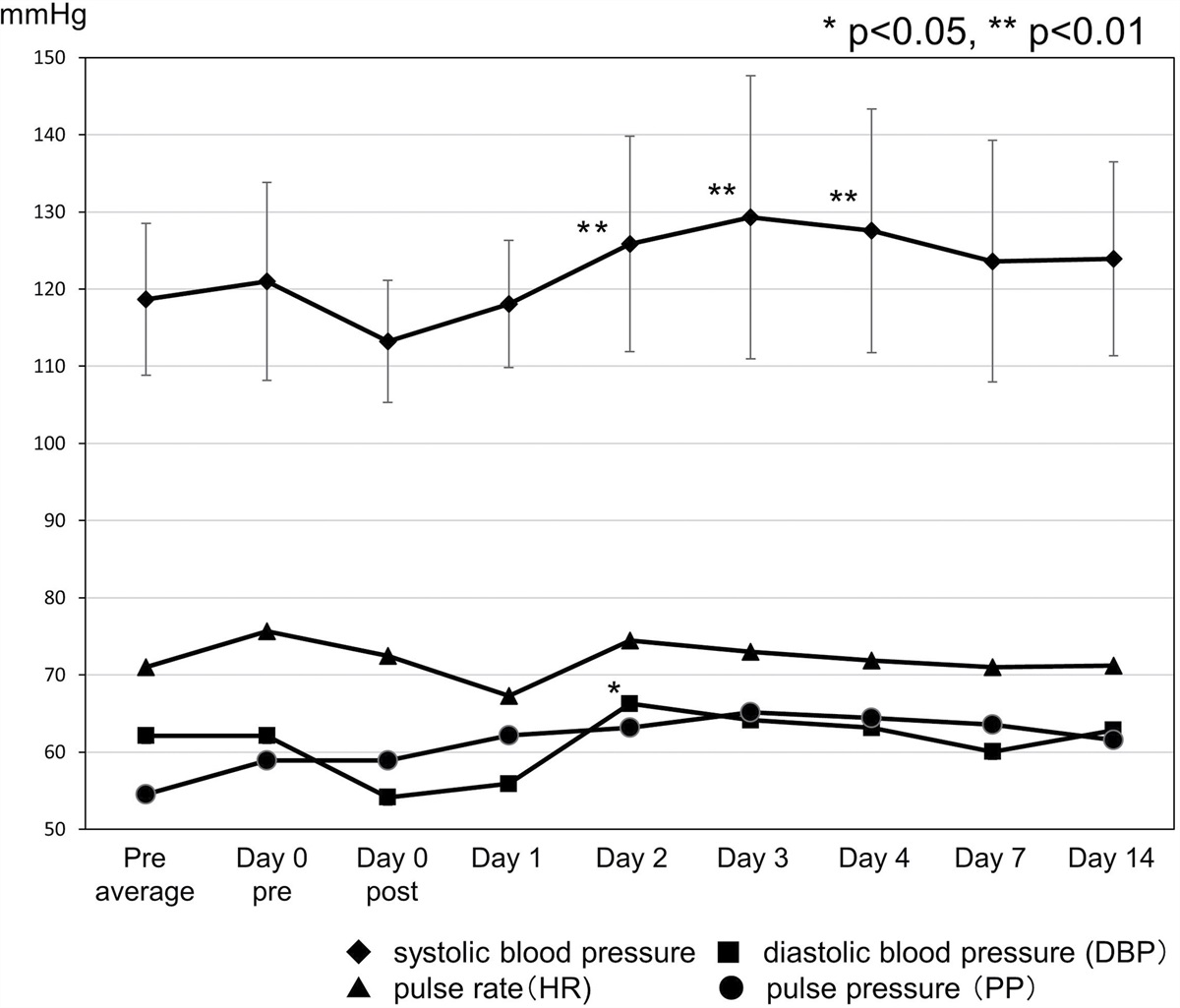
Short-term effects of transcatheter aortic valve replacement on blood pressure and cardiac function in elderly patients with severe aortic stenosis
s of TAVR in elderly patients (>75 years), who reflect the clinical situation in Japan. Method and results Twenty-eight consecutive elderly patients with severe AS and hypertension who underwent TAVR...
Conclusion: We observed post-TAVR hypertension and required additional antihypertensive drugs. The increases in SVI and PP after TAVR resulted in post-TAVR hypertension. Moreover, post-TAVR hypertension is less likely to occur in elderly patients with a high baPWV, which indicates advanced arteriosclerosis.