



CTA-determined tricuspid annular dilatation is associated with persistence of tricuspid regurgitation after transcatheter aortic valve replacement - Clinical Research in Cardiology
Source : https://link.springer.com/article/10.1007/s00392-023-02152-0
Aim The aim of this study was to analyse the predictive value of CTA-determined tricuspid annular dilatation (TAD) on the persistence of tricuspid regurgitation (TR) in patients undergoing transcatheter aortic...
Conclusion: In patients undergoing TAVR for severe AS and concomitant at least moderate TR at baseline, TAD is a predictor of TR persistence, which is associated with increased 2-year all-cause mortality.
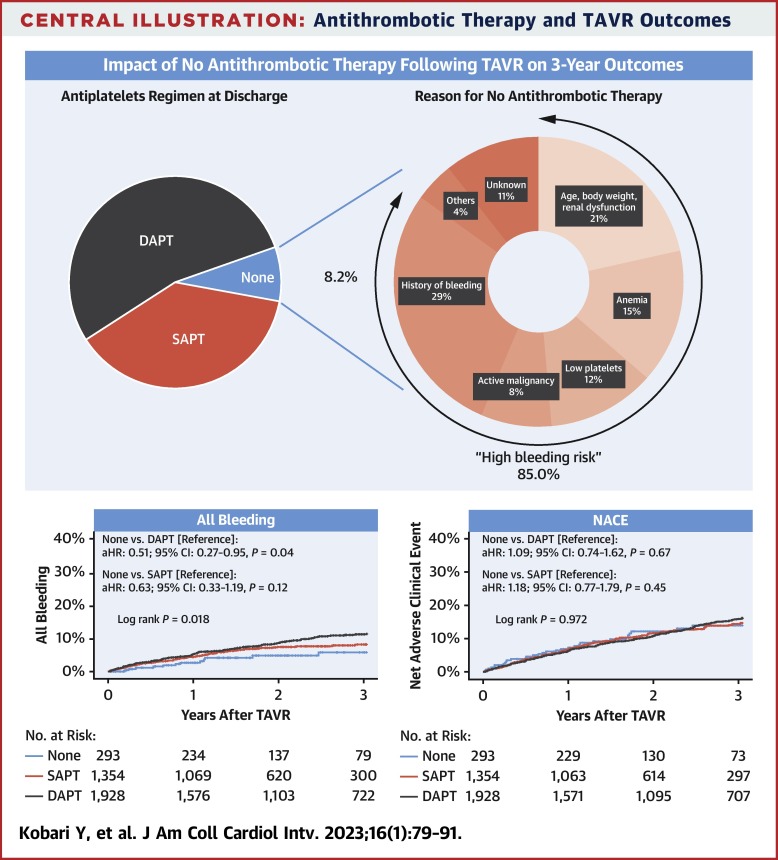
No Antithrombotic Therapy After Transcatheter Aortic Valve Replacement: Insight From the OCEAN-TAVI Registry
Source : https://www.sciencedirect.com/science/article/abs/pii/S1936879822018982?via=ihub
Several trials demonstrated that aspirin monotherapy compared with aspirin plus clopidogrel is associated with a lower incidence of bleeding without an increased risk of ischemic events in patients after transcatheter...
Conclusions: Compared with SAPT/DAPT, the nonantithrombotic strategy was not associated with an increased risk of NACEs and potentially reduced the risk of bleeding events. The nonantithrombotic strategy may be an acceptable alternative to SAPT/DAPT in selected patients with TAVR.
-
Aortic Stenosis Connect3yrKey Points • Source: JACC • Conclusion: “Compared with SAPT/DAPT, the non-antithrombotic strategy was not associated with an increased risk of NACEs and potentially reduced the risk of bleeding events. The non-antithrombotic strategy may Show More
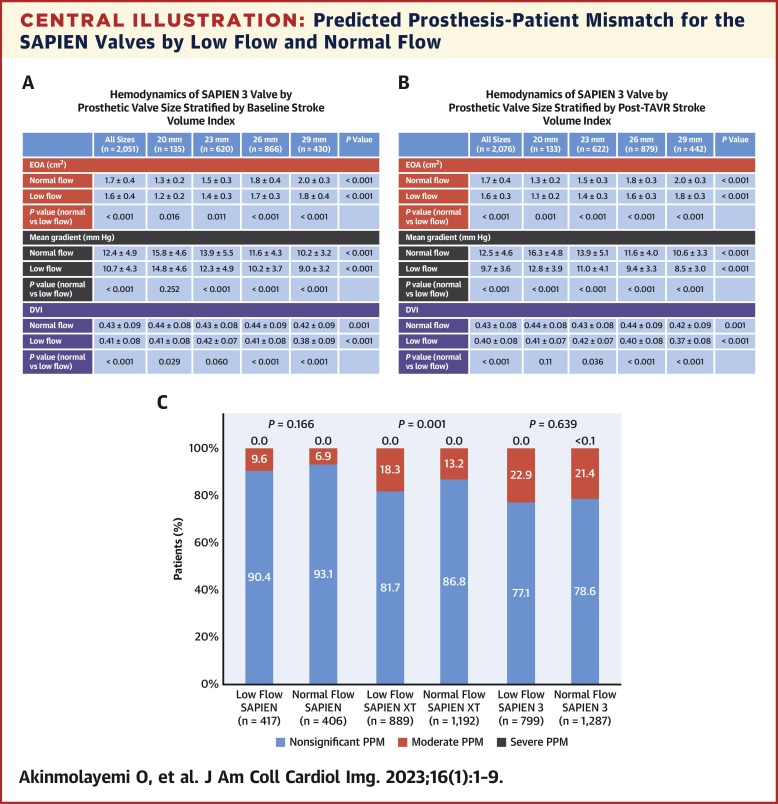
Clinical and Echocardiographic Characteristics of Flow-Based Classification Following Balloon-Expandable Transcatheter Heart Valve in PARTNER Trials
Source : https://www.sciencedirect.com/science/article/abs/pii/S1936878X22003448?via=ihub
Current expected normal echocardiographic measures of transcatheter heart valve (THV) function were derived from pooled cohorts of the randomized trials; however, THV function by flow state before or following transcatheter...
Conclusions: This study demonstrates that flow affects THV hemodynamics and both baseline and follow-up SVI should be considered when predicting THV hemodynamics prior to TAVR, as well as assessing valve function following valve implantation.
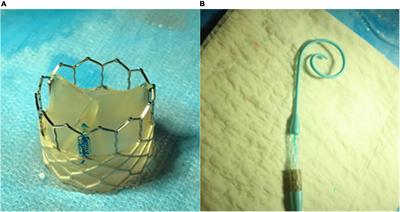
Temporal, biomechanical evaluation of a novel, transcatheter polymeric aortic valve in ovine aortic banding model
Source : https://www.frontiersin.org/articles/10.3389/fcvm.2022.977006/full
ObjectivesThe aim of the study is to evaluate the functionality, durability, and temporal biocompatibility of a novel, balloon-expandable polymeric transcatheter heart valve (ATHV) system (InFlow, CardValve Consortium, Poland). Along with...
Conclusion: This preclinical study in the aortic banding model showed good hemodynamic performance, durability, and biocompatibility of the novel ATHV. Furthermore, regulatory studies with longer follow-ups are warranted.
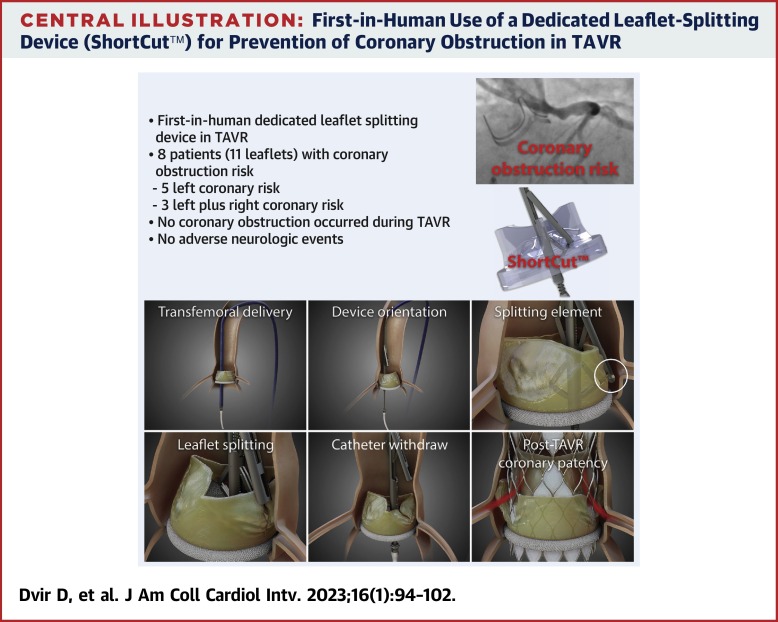
First-in-Human Dedicated Leaflet Splitting Device for Prevention of Coronary Obstruction in Transcatheter Aortic Valve Replacement
Source : https://www.sciencedirect.com/science/article/abs/pii/S1936879822020787?via=ihub
Coronary artery obstruction is a life-threatening complication of transcatheter aortic valve replacement (TAVR) procedures. Current preventive strateg...
Conclusions: Evaluation of the first dedicated transcatheter leaflet-splitting device shows that the device can successfully split degenerated bioprosthetic valve leaflets. The procedure was safe and successfully prevented coronary obstruction in patients at risk for this complication following TAVR.