


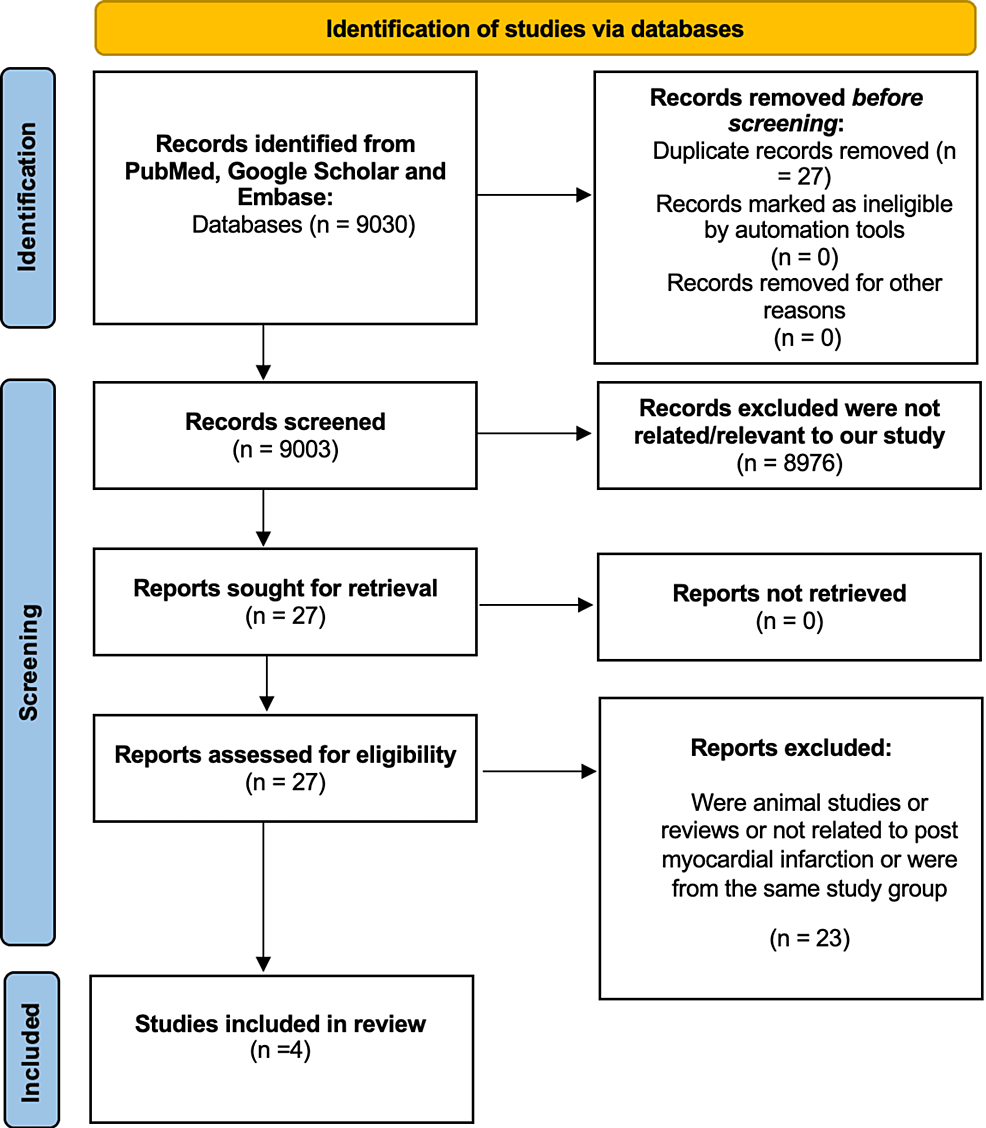
The Use of Empagliflozin Post Myocardial Infarction
Source : https://www.cureus.com/articles/163060-the-use-of-empagliflozin-post-myocardial-infarction
Empagliflozin is a sodium-glucose cotransporter 2 (SGLT2) inhibitor that is mainly used for the treatment of type 2 diabetes mellitus. The study's objective was to assess empagliflozin's effects and impacts...
Conclusions/Relevance: With studies showing a significantly larger median NT-proBNP decrease with empagliflozin compared to placebo among patients hospitalised with an acute big MI when empagliflozin was started early and administered in addition to the post-MI care suggested by guidelines, it is safe to say that the benefits outweigh the...
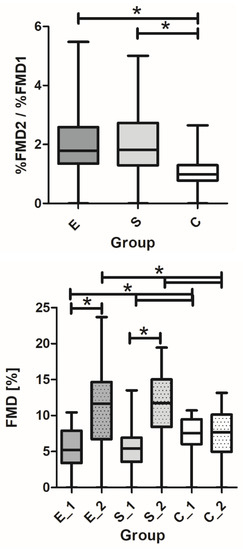
The Effect of Additional Treatment with Empagliflozin or Semaglutide on Endothelial Function and Arterial Stiffness in Subjects with Type 1 Diabetes Mellitus-ENDIS Study
Source : https://www.mdpi.com/1999-4923/15/7/1945
We investigated the effect of additional treatment with newer antidiabetic drugs on endothelium function and arterial stiffness in subjects with type 1 diabetes mellitus (T1DM) without cardiovascular diseases. A total...
Conclusions/Relevance: We can conclude that, for arterial stiffness, semaglutide seems better, but both drugs positively impact endothelial function and, thus, could also have a protective role in T1DM.
Alterations in trimethylamine-N-oxide in response to Empagliflozin therapy: a secondary analysis of the EMMY trial - Cardiovascular Diabetology
Source : https://cardiab.biomedcentral.com/articles/10.1186/s12933-023-01920-6
Introduction The relationship between sodium glucose co-transporter 2 inhibitors (SGLT2i) and trimethylamine N-oxide (TMAO) following acute myocardial infarction (AMI) is not yet explored. Methods In this secondary analysis of the...
Conclusions: Our results are contrary to existing experimental studies that showed the positive impact of SGLT2i on TMAO precursors and cardiovascular events. Therefore, we recommend further research investigating the impact of SGLT2i therapy on acute and long-term changes in TMAO in cardiovascular cohorts.
Exploring the comparative cardiovascular death benefits of sodium-glucose cotransporter 2 inhibitors in type 2 diabetes: a frequentist and Bayesian network meta-analysis-based scoring
Source : https://www.frontiersin.org/articles/10.3389/fendo.2023.1168755/full
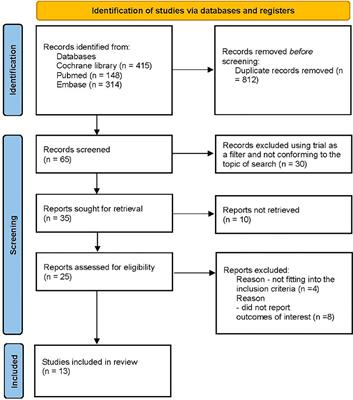
Background and aimsCardiovascular death (CV death) is the most objective component of the primary or secondary endpoint in cardiovascular outcome trials (CVOTs) conducted with sodium-glucose cotransporter 2 inhibitors (SGLT-2is). CV...
Conclusions: Empagliflozin ranked the highest compared to the other SGLT-2is in the overall population and the trials including type 2 diabetes (T2D) patients with ASCVD or MRF at baseline, while dapagliflozin ranked the highest in the trials of patients with HF at baseline.
Comparative effectiveness of sodium-glucose cotransporter-2 inhibitors among patients with heart failure with preserved ejection fraction - PubMed
Source : https://pubmed.ncbi.nlm.nih.gov/37459069/
Compared with canagliflozin or dapagliflozin use, empagliflozin use was associated with decreased risk of HF-related and all-cause hospitalizations. Compared with canagliflozin, dapagliflozin was associated with a reduced risk of HF-related...
Conclusions: Compared with canagliflozin or dapagliflozin use, empagliflozin use was associated with decreased risk of HF-related and all-cause hospitalizations. Compared with canagliflozin, dapagliflozin was associated with a reduced risk of HF-related and all-cause hospitalizations.