


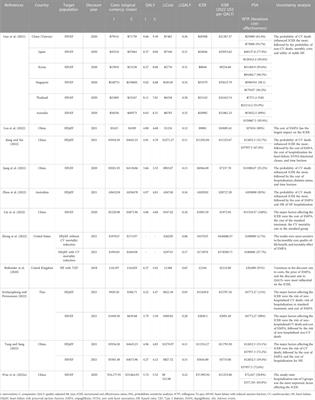
Cost-effectiveness of empagliflozin for the treatment of heart failure: a systematic review
Source : https://www.frontiersin.org/articles/10.3389/fphar.2023.1186579/full
Objective: This study aims to synthesize evidence on the cost-effectiveness of empagliflozin for heart failure (HF).Methods: MEDLINE, Embase, the Cochrane Library, EconLit, CNKI, Wanfang Data and Chongqing VIP were searched...
Conclusion: Add-on empagliflozin for HFrEF might be cost-effective or dominant compared with standard of care alone. However, for HFpEF patients, add-on empagliflozin might be cost-effective in China and Australian, but not cost-effective in United States and Thailand.

Empagliflozin: a potential anticancer drug - PubMed
Source : https://pubmed.ncbi.nlm.nih.gov/37436535/
Empagliflozin, a sodium-glucose cotransporter 2 (SGLT2) inhibitor, is a highly effective and well-tolerated antidiabetic drug. In addition to hypoglycemic effects, empagliflozin has many other effects, such as being hypotensive and...
Conclusion: Empagliflozin has promising applications in cancer therapy as a drug for the treatment of diabetes and heart failure. This article provides a brief review of the anticancer effects of empagliflozin.
Impact of the SGLT2-inhibitor empagliflozin on inflammatory biomarkers after acute myocardial infarction - a post-hoc analysis of the EMMY trial - Cardiovascular Diabetology
Source : https://cardiab.biomedcentral.com/articles/10.1186/s12933-023-01904-6
Background SGTL2-inhibitors are a cornerstone in the treatment of heart failure, but data on patients with acute myocardial infarction (AMI) is limited. The EMMY trial was the first to show...
Conclusion: Trajectories of inflammatory biomarkers showed a pronounced decline after AMI, but Empagliflozin treatment did not impact this decline indicating no central role in blunted systemic inflammation mediating beneficial effects.
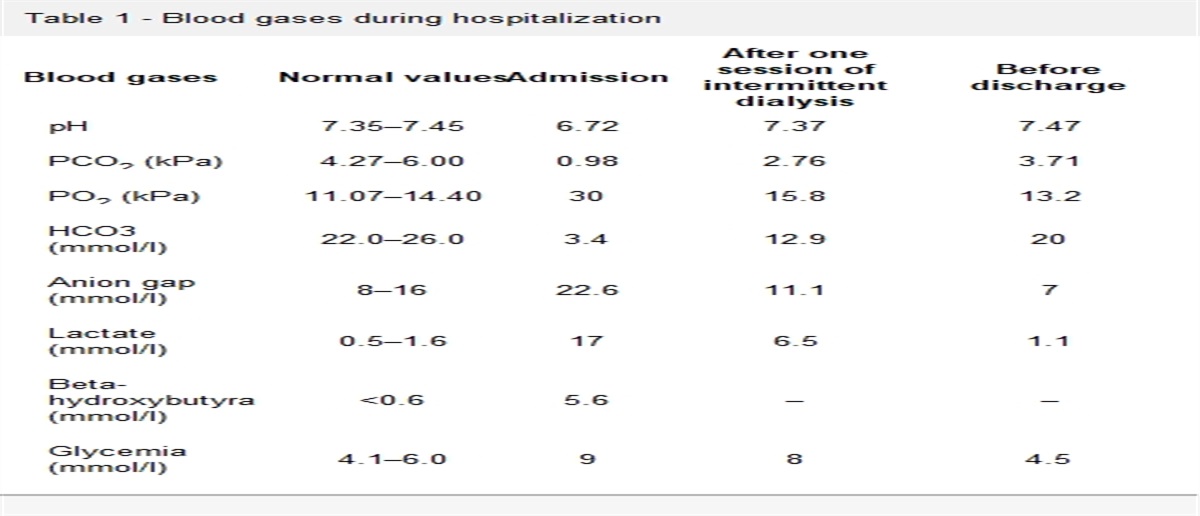
Combined lactic acidosis and ketoacidosis in a female diabetic patient with severe heart failure
fety profile for both drugs, the expanding use of these agents in clinical practice may lead to an increased incidence of rare side effects, like metformin-associated lactic acidosis (MALA) and...
Conclusion: This case illustrates the potentially serious risks associated with metformin and SGLT2i. Because of their association in one unique pill in addition to the growing evidence around the benefits of SGLTi, these drugs are likely to be more and more prescribed, and thus, clinicians need to be aware of MALA and EDKA in order to...

Empagliflozin Reduces Interleukin-6 Levels in Patients with Heart Failure
Source : https://www.mdpi.com/2077-0383/12/13/4458
Background: The inhibition of sodium-glucose co-transporter 2 (SGLT-2) has been shown to be beneficial in the treatment of diabetic and non-diabetic patients with heart failure. The underlying mechanisms are incompletely...
Conclusions: The empagliflozin-induced improvement of quality of life and functional capacity in patients with HFrEF and type 2 diabetes mellitus is accompanied by a substantial reduction of interleukin-6 levels. Thus, anti-inflammatory effects may contribute to the benefits of SGLT-2-inhibitors in heart failure.