

Aortic Stenosis Connect
  • Saved
Prognostic Value of HFA-PEFF Score in Patients Undergoing Transcatheter Aortic Valve Implantation

Prognostic Value of HFA-PEFF Score in Patients Undergoing Transcatheter Aortic Valve Implantation

Source : https://www.cureus.com/articles/106045-prognostic-value-of-hfa-peff-score-in-patients-undergoing-transcatheter-aortic-valve-implantation

Background The HFA-PEFF score may help in predicting long-term outcomes in patients undergoing transcatheter aortic valve implantation (TAVI) for severe aortic stenosis and preserved left ventricular ejection fraction (EF). Methods...


Conclusion: The HFA-PEFF score showed limited value in predicting long-term mortality and adverse heart failure-related events in patients with preserved EF undergoing TAVI. Clinical variables specific to this population could complement the HFA-PEFF score for better risk prediction.

  • Saved

made a Post

TAVR Suitability in the Low-Risk Patient

72-year-old hypertensive woman with a family history of coronary artery disease presents with a 3-month history of functional class II dyspnea on exertion (New York Heart Association). The patient has an active lifestyle and plays pickleball 4 x/week with friends. She is currently taking lisinopril 5 mg every day. She complains of neither chest pain nor palpitations.

Physical exam findings

  • Pulse: 88 bpm
  • Respiration rate: 19/min
  • Blood pressure: 110/80 mmHg without orthostatic changes
  • Heart sounds: midsystolic ejection murmur heard best at the right upper sternal border

Results from her CBC and CMP were within normal limits.

On echo, there is a mean gradient 42 mmHg, peak aortic velocity of 4.1 m/s, and aortic valve area of 0.9 cm2. Results from the CCT confirmed severe aortic stenosis.

Her Society of Thoracic Surgeons risk is 1.8%. Her projected life expectancy is about 15 years. During patient visit, she expressed a preference for TAVR vs SAVR.

Based on this information, what interventions do you anticipate could be recommended for this patient? What information would you need to decide on TAVR or SAVR for this patient? Would you rather defer this patient to a heart-team to make the treatment decision?

  • 4yr
    A cardiology clinician would have heart catheterization with coronaries. Then have a discussion with the patient and family. Answer all questions and if agreed upon, refer for TAVR that would Show More
  • 4yr
    Need coronary angiogram first. If complex cad or left main or severe Ted then cabg and savr but if no cad or cad with discrete lesion then TAVR

Show More Comments

  • Saved
Readmission and in-hospital outcomes after transcatheter aortic valve replacement in patients with dementia

Readmission and in-hospital outcomes after transcatheter aortic valve replacement in patients with dementia

Source : https://www.sciencedirect.com/science/article/abs/pii/S1553838922007187?via=ihub

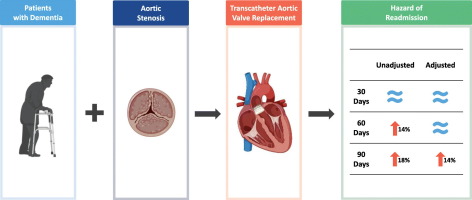
Available online 13 August 2022 We identified all admissions for TAVR in patients with AS in the National Readmissions Database in 2017-2018 and stratified them according to the presence or...


Conclusions: Patients with dementia who undergo TAVR are at higher risk of in-hospital adverse outcomes and 60- and 90-day readmissions compared with patients without dementia. These estimates should be integrated into shared decision-making discussions with patients and families.

  • Saved
Evolving Devices and Material in Transcatheter Aortic Valve Replacement: What to Use and for Whom - PubMed

Evolving Devices and Material in Transcatheter Aortic Valve Replacement: What to Use and for Whom - PubMed

Source : https://pubmed.ncbi.nlm.nih.gov/35956061/

Transcatheter aortic valve replacement (TAVR) has revolutionized the treatment of aortic stenosis, providing a viable alternative to surgical aortic valve replacement (SAVR) for patients deemed to be at prohibitive surgical...


Conclusion: This review aims to evaluate the available evidence on the performance of different devices in the presence of specific clinical and anatomic features, with a focus on patient, procedural, and device features that have demonstrated a relevant impact on the risk of poor hemodynamic valve performance and adverse clinical events.